
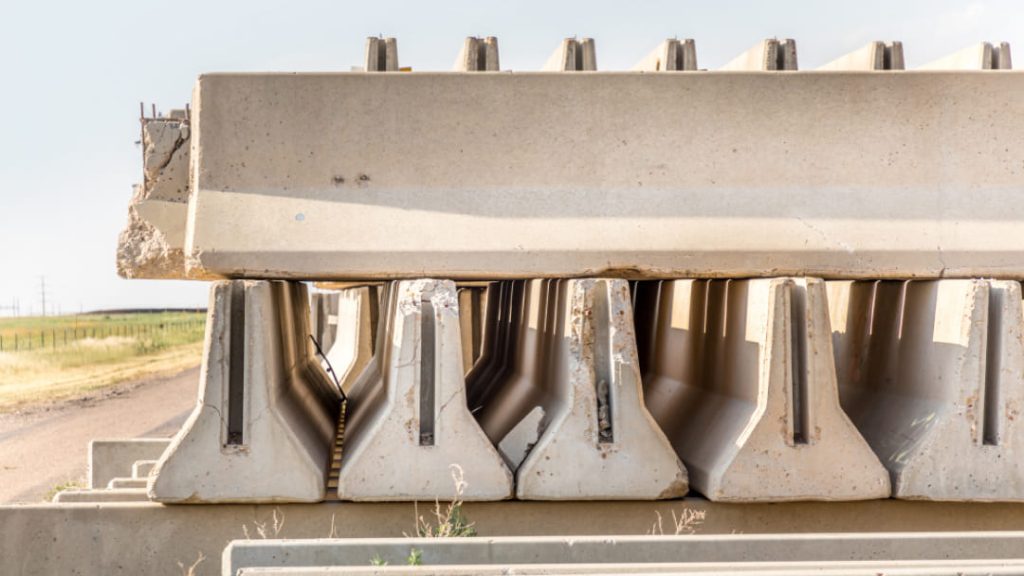
In modern construction, hiring a qualified concrete contractor is a strategic decision that directly impacts the durability, safety, and overall aesthetic quality of your projects. Whether for residential foundations, commercial slabs, or complex structures, concrete remains an essential material. However, its success depends on proper execution by an experienced professional.
Services offered by a concrete contractor
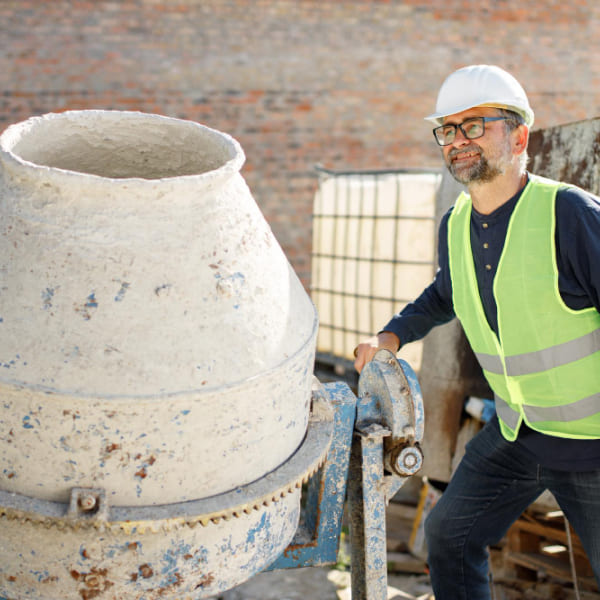
A skilled concrete contractor provides a full range of services tailored to residential, commercial, and industrial projects, taking into account technical constraints, budget, and current building standards. Their role goes beyond execution—they advise, plan, and optimize every stage to ensure long-lasting, high-performance results.
Residential work
In the residential sector, a concrete contractor is involved from the earliest phases of the project, helping create a strong and reliable foundation for the entire structure.
- House foundations
A critical component of any home, foundations must be designed with precision to ensure long-term stability. The contractor selects the appropriate type (footings, slab-on-grade, or full basement) based on soil conditions and structural loads. - Garage slabs
These slabs must withstand vehicle weight, temperature fluctuations, and moisture. Proper ground preparation and high-quality concrete prevent cracking and settlement. - Concrete stairs and sidewalks
These exterior elements must combine safety, durability, and visual appeal. Contractors can offer slip-resistant finishes and modern designs suited to the environment. - Terraces and patios
Concrete is an excellent choice for outdoor living spaces thanks to its strength and versatility. Options such as stamped or colored concrete provide a more upscale finish.
As part of a turnkey home construction, these elements are essential to ensure a solid, code-compliant structure built to withstand Québec’s climate conditions.
Commercial and industrial work
Commercial and industrial projects require an even higher level of precision and performance. An experienced concrete contractor is equipped to meet these technical demands.
- High-resistance industrial floors
Designed to support heavy loads, machinery, and constant traffic, these floors require specialized concrete mixes and advanced finishing techniques. - Concrete parking areas
Whether for commercial buildings or residential complexes, parking areas must be durable, resistant to freeze-thaw cycles, and easy to maintain. - Reinforced structures
Contractors build structures requiring specific reinforcement (rebar) to increase mechanical strength and overall safety. - Repairs and resurfacing
Over time, even concrete can deteriorate. Repair work extends the lifespan of surfaces, while resurfacing restores their appearance without full reconstruction.
With this versatile expertise, a concrete contractor becomes a key partner in the success of any project—residential, commercial, or industrial. They do far more than pour concrete; they master advanced techniques that ensure the strength and longevity of structures.
Technical expertise and precision
Concrete is a dynamic material that reacts to its environment. A professional contractor knows how to:
- Adjust the mix according to climate conditions
- Select the right construction materials
- Ensure proper curing to prevent cracks
- Meet strength and durability standards
Cost and timeline optimization
An experienced concrete contractor helps avoid:
- Costly mistakes
- Project delays
- Premature repairs
They efficiently plan every step to deliver results that meet expectations.
Mistakes to avoid in a concrete project
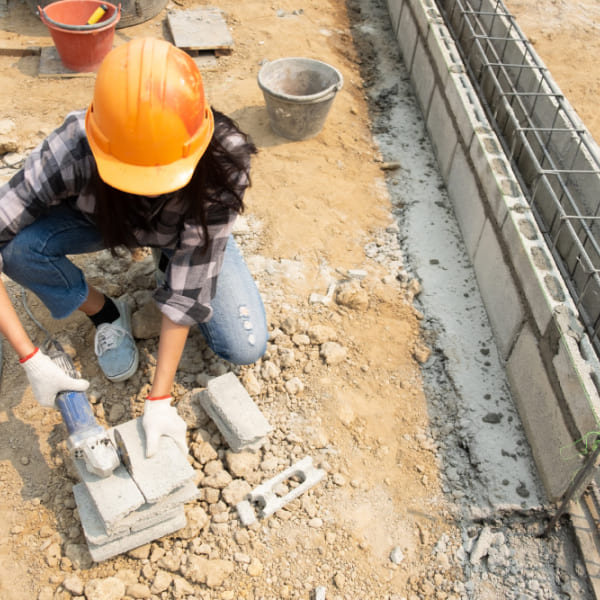
Even with a skilled contractor, certain mistakes can compromise results if not anticipated.
- Poor soil compaction can lead to:
- Settlement
- Cracking
- Structural instability
- Low-quality construction materials reduce the durability of concrete.
- In large-scale projects, the role of the general contractor is essential to ensure coordination between all trades.
Hiring a qualified concrete contractor is a smart investment for any construction project. Their expertise ensures not only structural strength but also the long-term value of your investment.
Whether you are planning a turnkey home construction or a more specific project, choosing the right construction materials and working with an experienced general contractor will make all the difference.
